


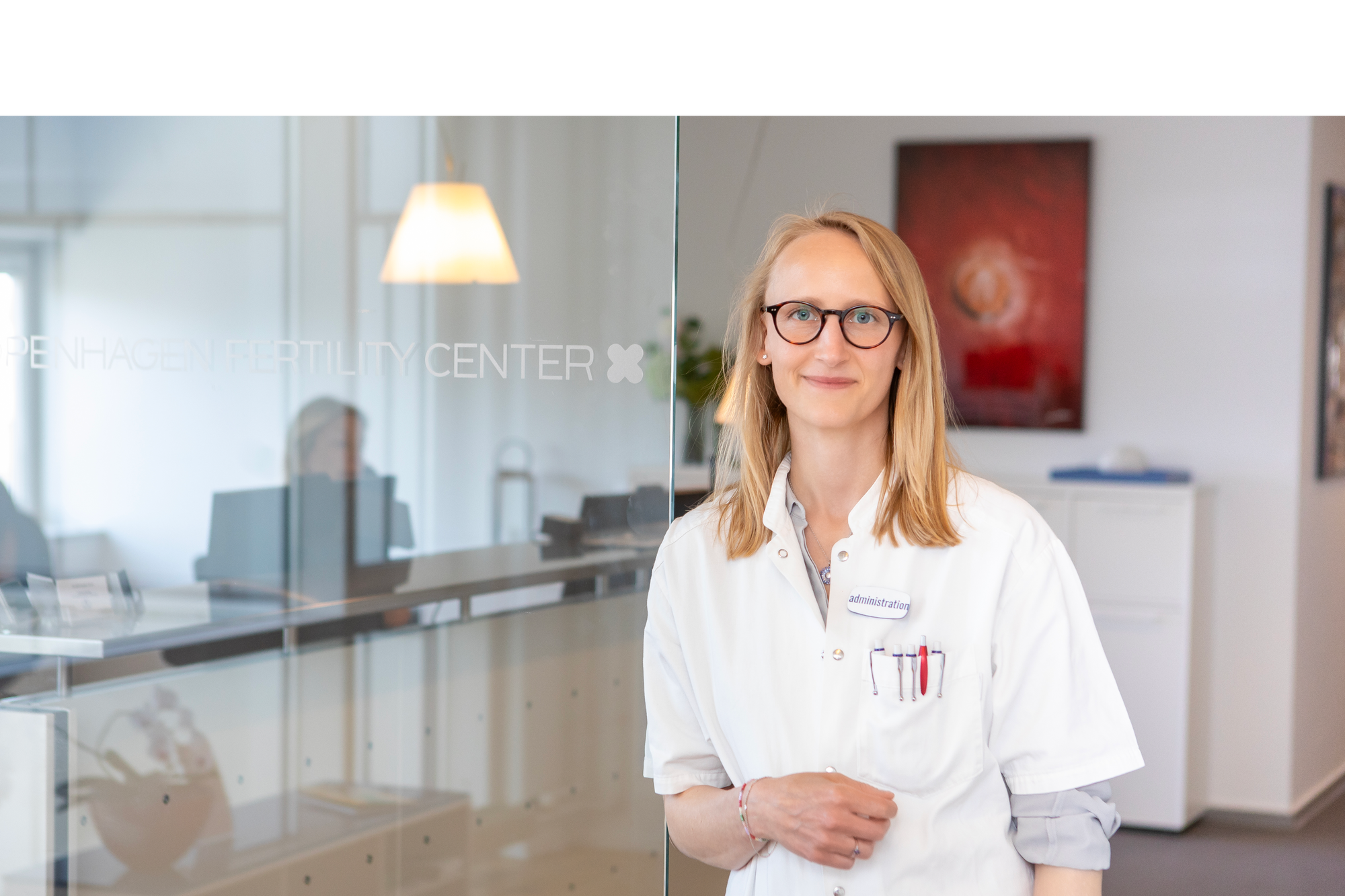
Copenhagen Fertility Center: Microbiome - The Missing link in PCOS Treatment
"There are a whole lot of buttons inside the body that have been turned a little crooked. The more of those buttons we know about, the more we can turn them back." — Frederikke Lindenberg, Research and Quality Director, Copenhagen Fertility Center
Fertility problems – a label that typically comes with frustration, sadness, and a lot of questions. – “why, what is wrong with me?” At Copenhagen Fertility Center one of the answers they often give is: “you have PCOS” (polycystic ovary syndrome), a condition marked by cysts on the ovaries, chronic inflammation, insulin resistance, hormonal disruption and overweight. Then treatment starts. And while many patients respond well, others don't. Something is interfering. It turns out, the answer may be sitting in the gut.
The Microbiome / Fertility Link
Copenhagen Fertility Center is a fertility clinic in Copenhagen with over twenty years of experience, offering the full range of treatments from insemination and IVF to egg freezing. Research and quality is led by Frederikke Lindenberg, who holds a PhD in microbiome and immunology and who knows that the microbiome plays an important role in fertility. "There is getting more and more knowledge indicating that patients with PCOS have imbalances in their gut flora composition."
Gut bacteria can directly influence levels of estrogen and testosterone. The microbiome also affects metabolism and the immune system, and there are insulin receptors and immune receptors on reproductive tissue, including the ovaries. When those signals are off, the consequences reach into hormone production, ovarian function, and the feedback loops between gut, brain, and reproductive organs. But not only that, cause research indicates that if a woman has metabolic challenges before, during, and right after pregnancy, the child will have a greater risk at developing the same problems later.
The Black Box
That is why Frederikke Lindenberg knew that the microbiome was an obvious but also important thing to look at, when some patients weren't responding as expected. "We have a black box of patients, where we don't have the full understanding. We are missing one of the buttons, that we don't know. We are trying to influence insulin resistance, weight, all these things, but underneath is a microbiome that is connected to everything and that might be out of balance." Lindenberg says.
Research on type 2 diabetes, a condition with significant overlap with PCOS, shows disrupted gut flora in affected patients, something Lindenberg had worked with directly during her PhD. "If you can get the gut flora back on track, you can help those patients better. We want to learn more about the microbiome in our PCOS patients, and that is what Unseen Bio is helping with."
Hear Frederikke Lindenberg explain more about how fertility is linked to the gut microbiome in our podcast episode.
Collaborating with Unseen Bio
The clinic follows PCOS patients for a full year from the point they start GLP-1 medication, with microbiome tests taken before treatment and at regular intervals throughout. Lindenberg reads the results alongside each patient's bloodwork, medication, and cycle data. The results from Unseen Bio are being put into relation to the knowledge Copenhagen Fertility Center have about the patient.
That combination produces dietary guidance specific to each patient's gut flora, something the clinic couldn't offer before. "It's not radical dietary changes, which many patients dread. It's specific, and because it's specific, it gives them something they can actually act on."
The microbiome data also helps when patients lose confidence at weight plateaus. "Weight is the only parameter they can measure at home. But I can see that the gut flora has improved and that is very motivating for the patients, that they have a bigger spectrum to look at." Lindenberg explains.
Filling a Gap With Deeper Knowledge
For the clinic, microbiome data fills a gap in knowledge that previously left some patients out of reach, and beyond individual patients, the year-long follow-up is building knowledge for the future. "At some point we'll know enough that when a patient walks in, we don't need to follow them for a whole year with microbiome tests. Then they just take one test, we tell them what to do, and then we don't need to take one until six months later."
Lindenberg is clear about what made Unseen Bio the right partner for this. It wasn't just the quality of the testing. It was the shared curiosity. "I suddenly have new colleagues I can bounce things off," she says. "It's not a closed door once I buy a kit. There's genuine interest in how we're using this in the clinic, what's important to us, how we can improve together. That's worth a lot."
According to Frederikke Lindenberg microbiome testing also means a lot for Copenhagen Fertility Center’s patients. They're in more frequent contact with the clinic, they feel their individual biology is being taken seriously, they get more specific recommendations, and a better understanding of what's happening in their own bodies.
“We get important knowledge about our patient’s whole system, so we can be more specific in our treatment and help patients find the reasons for their problems.”
----------------------------------------------------------------------------------------------------
By Linda Nygaard (Communication Manager)


