


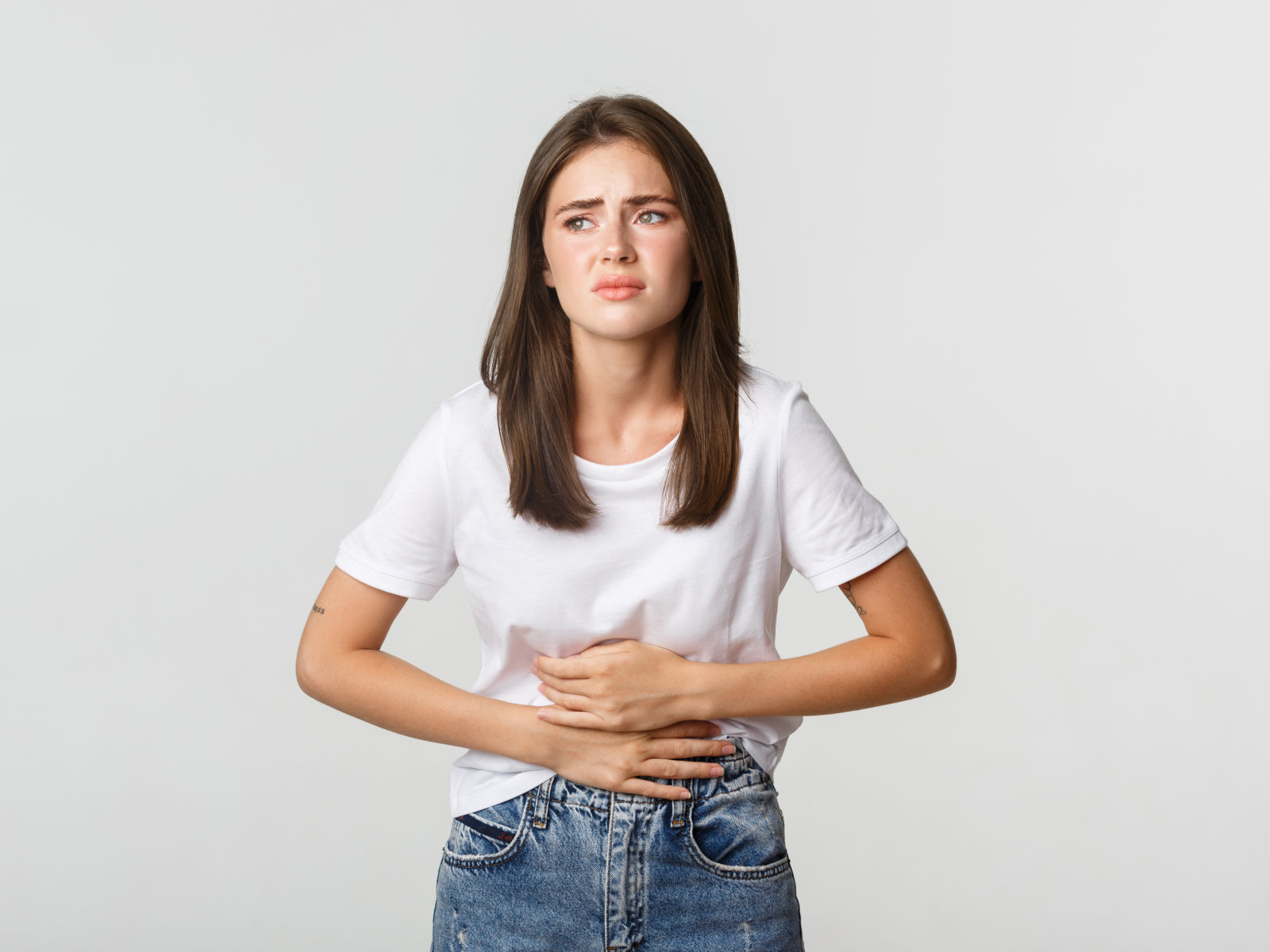
Histamine & Irritable Bowel Syndrome (IBS)
Histamine intolerance (HIT) and irritable bowel syndrome (IBS) share many symptoms and are therefore easily confused. In addition, histamine has been shown to influence IBS. This is still an evolving field of research, but in this article we focus on what is currently known about the link between histamine and IBS.
This is Part 3 of the Histamine series. Also read Part 1: Histamine Intolerance and Part 2: The Link Between Histamine Intolerance and the Gut Microbiome to gain a deeper understanding of histamine and histamine intolerance.
What Is Irritable Bowel Syndrome (IBS)?
Irritable bowel syndrome (IBS) is a common gastrointestinal disorder typically characterized by abdominal pain, changes in bowel habits, and bloating.
Because the exact symptoms vary greatly between patients, IBS is difficult to diagnose. For example, diarrhea and constipation are opposite conditions, yet both are symptoms of IBS. There is also a subtype, IBS-M, in which patients experience both. What most IBS patients have in common, however, is that food - including histamine-rich foods - triggers their symptoms.
To learn more about IBS and how it is shown in the gut microbiome listen to our podcast episode with doctor and gut specialist Alice Højer.
The Link Between Histamine and IBS
Histamine has been shown to play a role in Irritable Bowel Syndrome. Between 42% and 58% of IBS patients experience symptoms after consuming histamine-rich foods or foods that trigger histamine release (such as wine, beer, cheese, and milk). In addition, dysbiosis - an imbalance between beneficial and harmful gut bacteria - is associated with both the development and worsening of IBS.
IBS also causes inflammation in the intestinal wall, which damages the mucosal cells that produce DAO. DAO is the enzyme responsible for breaking down histamine and maintaining healthy histamine levels. Reduced DAO activity leads to impaired histamine breakdown and worsening IBS symptoms.
Furthermore, IBS patients have increased numbers of mast cells, which are also more active than normal. Inflammatory conditions in IBS activate these mast cells, causing them to release larger amounts of histamine.
These elevated histamine levels are associated with increased pain and more severe symptoms. There is significant overlap between IBS and histamine intolerance (HIT), although the exact distinctions are not yet fully understood.
How Is IBS Treated?
The primary treatment for Irritable Bowel Syndrome is a low-FODMAP diet followed for 4–6 weeks, after which FODMAP foods are reintroduced one at a time. FODMAPs are fermentable carbohydrates found in foods such as garlic and onions, wheat, dairy products, fruits, legumes, sugar, and alcohol.
While FODMAPs act as prebiotics for some gut bacteria, they are poorly absorbed and draw water into the intestine, leading to bloating and other IBS symptoms.
A low-FODMAP diet can reduce histamine levels in IBS patients, both by lowering the intake of histamine-containing foods and by reducing inflammation, which benefits mast cells and DAO activity.
This diet can also favorably alter the gut microbiome, increasing both bacterial diversity and beneficial strains, including short-chain fatty acid–producing bacteria such as Clostridiales, Bacteroides, Prevotella, and Bifidobacteria, which are important for gut health.
Do you want a look into your personal gut microbiome and what bacteria you have, then you can get insight with a gut microbiome test from Unseen Bio.
Key Takeaways
-
Irritable Bowel Syndrome is a difficult condition to diagnose due to its variable symptoms and overlap with HIT and other gut disorders.
-
Damage to DAO-producing cells and increased mast cell activation lead to elevated histamine levels and may play an important role in IBS.
-
A low-FODMAP diet can lower histamine levels in IBS patients, relieve symptoms, and positively influence the gut microbiome.
If you want to dive deeper into the gut microbiome, then listen to our podcast "Mikrobiomet" (The Microbiome), where we explore everything science knows about gut health and the microbiome together with a broad range of microbiome experts.
You can also read more about how your life style and the different food groups impact the gut microbiome in our other articles.
Listen to our podcast Read our microbiome articles
----------------------------------------------------------------------------------------------------
By Cecilia Clausen (Clinical Dietitian)


