


The Gut–Brain Axis: Is The Gut Your Second Brain?
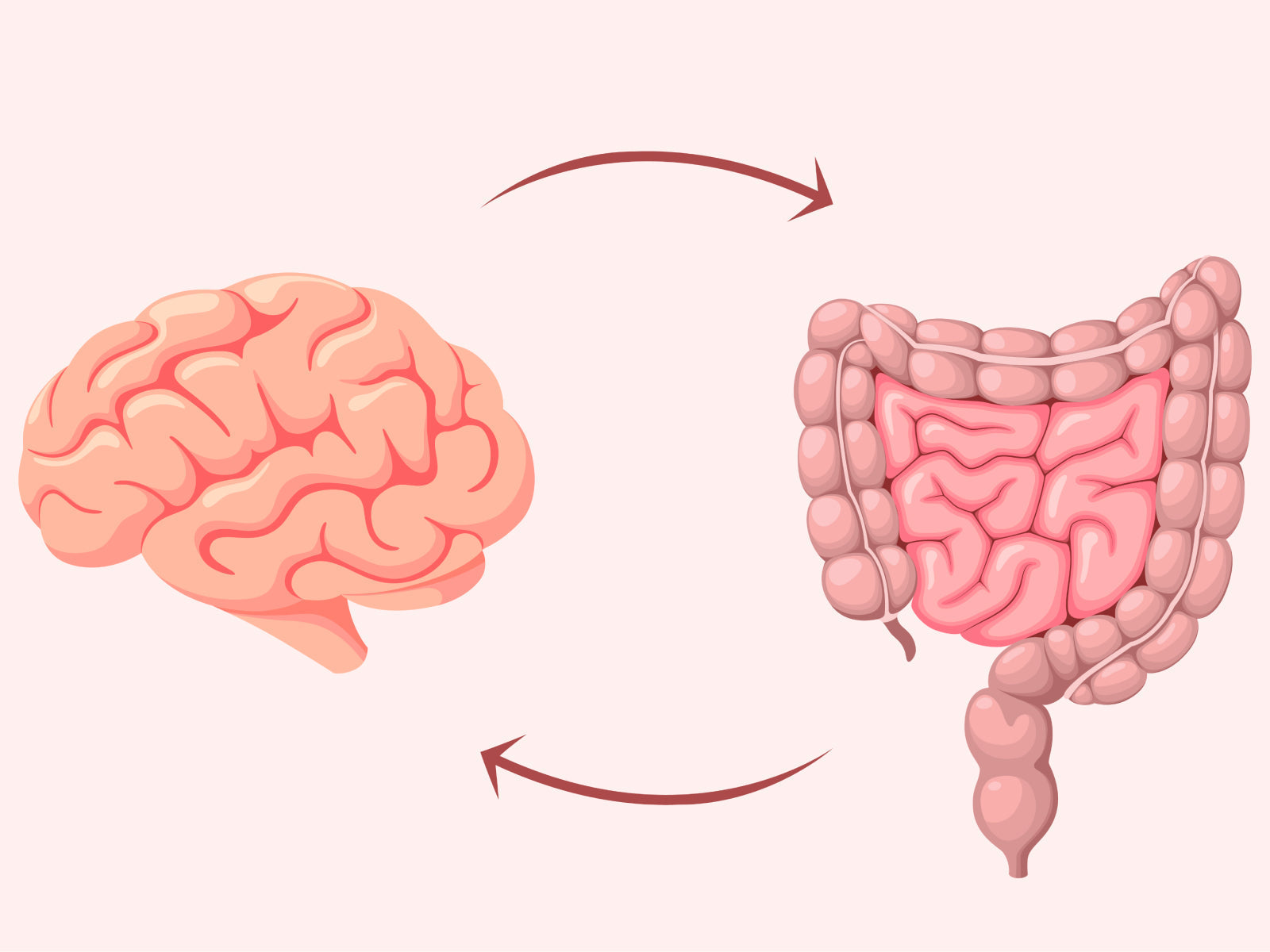
The gut–brain axis is a trending topic that has captured the attention of researchers around the world. It is now widely accepted that what happens in our gut influences our mood and behavior. A large body of scientific evidence confirms that the gut microbiome plays a key role in this gut–brain axis in both health and disease. But what do we really know about it? And why do some medical experts call the gut our “second brain”?
We often think of the brain as being in charge of the body. But it is not a tyrannical leader issuing orders to everything else. On the contrary, the brain and the gut function more like colleagues.
The idea that the brain and the gut communicate with each other is not new. In fact, it was already widely accepted in ancient Greece. Philosophers such as Hippocrates, Plato, and Aristotle believed that the brain and the rest of the body were deeply interconnected.
What is The Gut–Brain Axis?
The gut–brain axis refers to all the communication pathways involved in the dialogue between your gut and your brain.
The gut and the brain interact through the immune system, tryptophan metabolism, the vagus nerve, and the enteric nervous system, much like we use phones or social media to communicate. The tools they use are both physical and chemical: nerve cells, microbes, and microbial metabolites (signaling molecules) are all involved.
As mentioned earlier, this is not a one-way system in which the brain simply gives orders to the rest of the body. We now know that communication flows in all directions and that all parties influence one another.
Interestingly, the term “the second brain” partly comes from the enormous number of nerve cells found in the gut. It also reflects the gut’s ability to function independently of the brain and make complex decisions that have a major impact on our overall health
The Connection Between the Gut and the Brain
Let us take a closer look at the physical and chemical connections.
1. The Vagus Nerve
The vagus nerve is a large nerve that runs from the brain to the colon and physically connects them. It is a major component of the parasympathetic nervous system, which controls bodily functions during rest, and it is involved in regulating inflammation, maintaining gut balance, and controlling food intake, satiety, and energy balance.
Although this is a relatively new area of research, preliminary evidence suggests that gut bacteria can have beneficial effects on mood and anxiety, in part by influencing the activity of the vagus nerve.
The fibers of the vagus nerve do not make direct contact with the gut, but they can detect signals through bacterial metabolites. For example, short-chain fatty acids (SCFAs), one of the beneficial groups of compounds produced in the gut, can activate the vagus nerve. This information is then sent to the brain, triggering a specific response.
Stress is another good example of this connection. Stress inhibits the vagus nerve by causing harmful changes in the composition of gut bacteria. This can lead to conditions such as Irritable Bowel Syndrome (IBS) or Inflammatory Bowel Disease (IBD), which are characterized by dysbiosis and reduced vagal activity.
Learn more about the connection between IBS and the gut microbiome in our podcast episode with doctor and gut specialist Alice Højer.
Learning about the composition of your gut bacteria and focusing on boosting beneficial strains can be important for restoring balance in the microbiome–gut–brain axis. You can get insight into your bacteria composition with a microbiome test from Unseen Bio.
2. Neurotransmitters
These chemical messengers carry signals between nerve cells and target cells throughout the body. They work every day to regulate digestion and brain function and influence a wide range of processes, including fear, mood, and pleasure.
The gut microbiome communicates with the nervous system and helps regulate these messengers. Some types of bacteria can even produce neurotransmitters, such as serotonin and gamma-aminobutyric acid (GABA), both of which are important for emotional well-being.
Studies show that serotonin is involved in many processes, including digestion, respiration, behavior, and neurological function.
Although serotonin is best known as a neurotransmitter in the brain, about 90 percent of the body’s serotonin is actually produced in the gut. Altered levels of this peripheral serotonin have been linked to various diseases, including irritable bowel syndrome (IBS), cardiovascular disease, and osteoporosis.
While serotonin plays a role in gastrointestinal secretion and peristalsis, it is also widely used throughout the body. Changes in serotonin levels can send signals to the brain and influence the production of other neurotransmitters. In the brain, serotonin is crucial for regulating both mood and sleep.
3. The Gut–Brain–Immune Connection
Another critical component of the gut–brain axis is the immune system. This network of biological processes protects us from disease and harmful microbes and is shaped, trained, and regulated by the gut microbiome. When the gut is exposed to different bacteria, B cells and T cells diversify, these are the cells primarily responsible for immunity, working together to recognize foreign substances in the body.
Under optimal conditions, this immune system–microbiome alliance protects us from pathogens. But when the gut ecosystem becomes imbalanced, this protective relationship can break down.
This helps explain the dramatic rise in autoimmune and inflammatory diseases, which may result from disruptions in this symbiotic relationship with the microbiome.
Another key factor is that a large portion of the immune system is actually located in the gut. This again reflects the two-way communication between the systems of our body: just as the immune system can influence gut health, the gut microbiome can directly shape immune function.
Conclusion
The two-way communication between the brain and the gut is a complex system known as the gut–brain axis. It includes the immune system, chemical messengers called neurotransmitters, and a physical connection through the vagus nerve.
The gut microbiome plays a central role in this communication, regulating gastrointestinal balance, controlling hormone and neurotransmitter levels, and influencing mood and anxiety through its effects on the vagus nerve.
This vital connection is yet another reason to explore the unique composition of your gut microbiome and improve your overall health - starting with your gut.
If you want to dive deeper into the gut microbiome, then listen to our podcast "Mikrobiomet" (The Microbiome), where we explore everything science knows about gut health and the microbiome together with a broad range of microbiome experts.
You can also read more about how your life style and the different food groups impact the gut microbiome in our other articles.
Listen to our podcast Read our microbiome articles
--------------------------------------------------------------------------------------------------
By Christian Lieven (Systems Biologist)


