


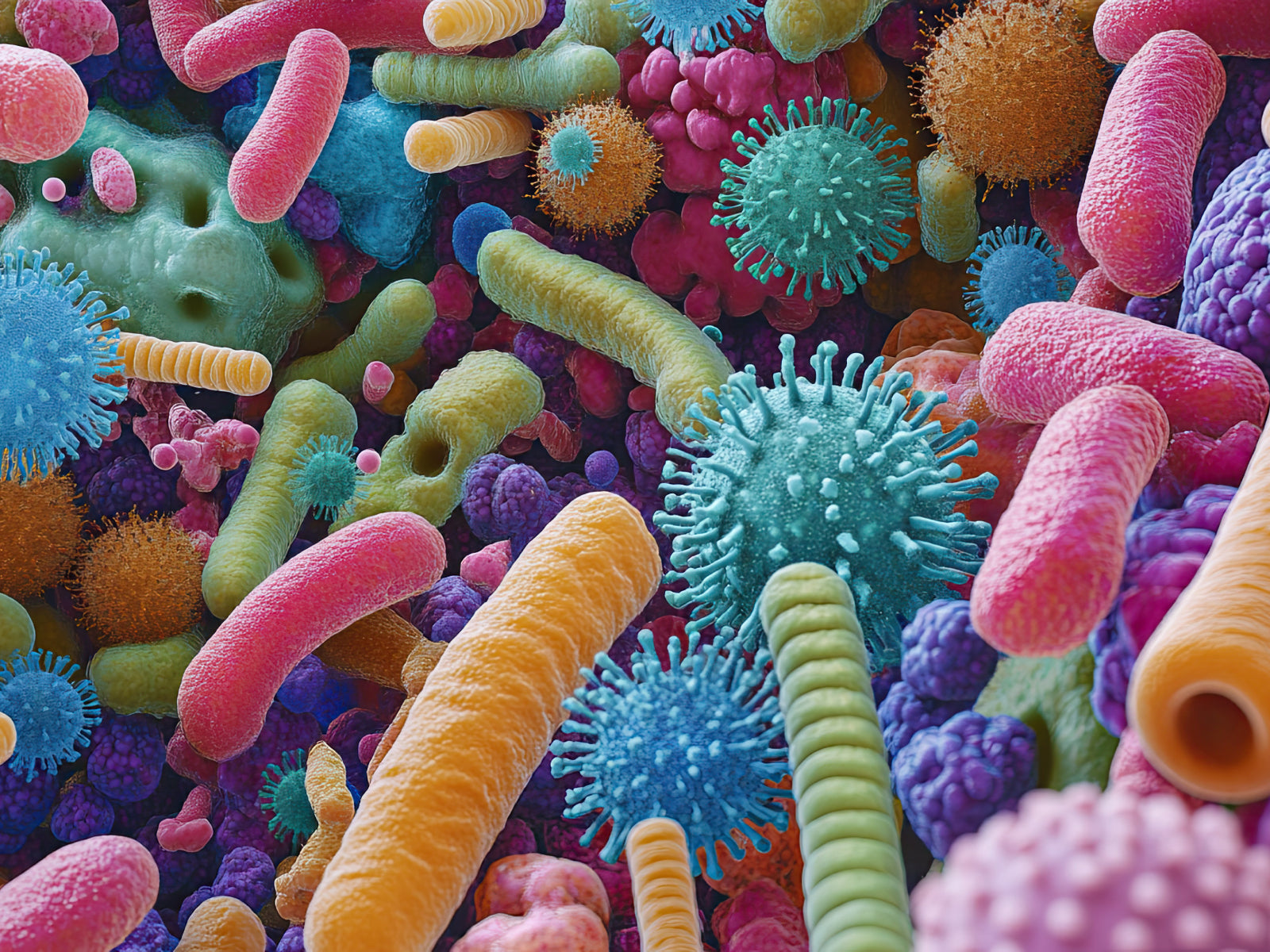
The Gut Microbiome: Why Diversity is an Important Health Indicator
Most people think of gut health as a matter of having enough good bacteria. But research points to diversity as a key factor. A gut microbiome rich in different beneficial species is a strong indicator of overall health.
What is The Gut Microbiome?
The gut microbiome is the collective community of microorganisms - bacteria, fungi, viruses, parasites, and archaea - that live in your digestive system.
These microbes carry out tasks the body cannot manage on its own. They break down fiber, produce vitamins, train the immune system, and communicate with the brain via the gut-brain axis.
And it is no small community. The gut microbiome contains more microorganisms than there are cells in your entire body. Together, they form an ecosystem of a complexity that science is still working to map.
Why Diversity in The Gut is an Important Health Indicator
Not all gut microbiomes are created equal. What sets a healthy microbiome apart from a compromised one is, among other things, diversity. That mean how many different species are present and whether they are in balance with one another.
Research consistently shows that low gut microbiome diversity is associated with a wide range of conditions: from inflammatory bowel diseases and type 2 diabetes to obesity and mental health problems.
Think of it like a forest. A forest with hundreds of different tree species, fungi, and plants is robust and resilient in the face of disturbances, making it hard for outside threats to gain a foothold. A monoculture is far more vulnerable. The gut microbiome works in exactly the same way.
Strengthen Your Gut Microbiome and Give Your Immune System The Foundation it Needs
The gut microbiome is not just a digestive organ. It is a central part of your immune system. In fact, up to 70% of the immune system's cells are located in the gut.
When you strengthen your gut microbiome, you are investing in an immune system that is better equipped to keep you healthy over the long term.
The Simple Everyday Choices that Boost Gut Diversity
Research consistently points to the same factors. There is a decisive connection between your diet and your microbiome.
A varied intake of plants, dietary fiber, and fermented foods promotes microbial diversity and the more varied, the better. Ultra-processed foods, alcohol, and chronic stress, on the other hand, all weaken diversity.
Sleep and the gut microbiome are also more closely linked than most people realize: disrupted sleep has been shown to reduce levels of beneficial bacteria such as Lactobacillus and Bifidobacterium.
A strong and diverse gut microbiome depends on your lifestyle and the choices you make day to day. Small, consistent changes over time can go a long way in strengthening your microbiome.
Curious About Your Gut Microbiome?
You now know what strengthens and weakens diversity in the gut microbiome. But do you know where your own gut flora actually stands?
A microbiome test gives you a concrete picture of what is actually living in there, which bacteria are missing, and what you can do about it.
You can also listen to the podcast Mikrobiomet ("The Microbiome"), where we discuss the many aspects of the gut microbiome with a range of experts.
Or read more in our other articles on lifestyle factors and the impact of various foods on gut health.
---------------------------------------------------------------------------------------------------------------------------
By Johan Hartmann (Co-Founder)


