


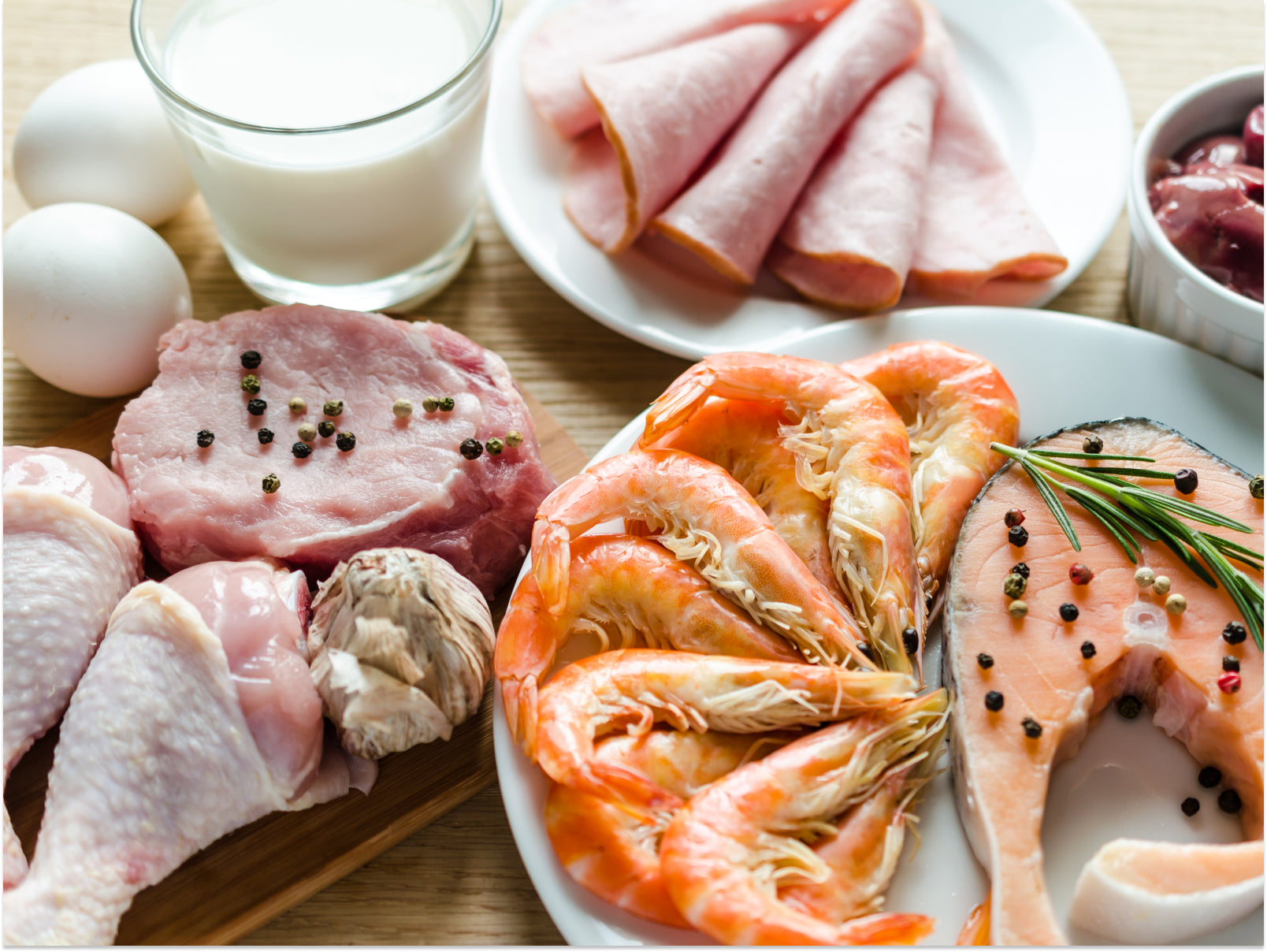
Animal-Based Foods and its Impact on the Gut Microbiome
What effect do fats and animal-based foods have on your internal microbial ecosystem known as the gut microbiome? Our knowledge comes from scientific literature, but how can we turn these concepts into practical actions and everyday food choices?
What is in Animal-Based Foods
To understand how animal-based foods affect the gut, we need to look into what it contains. Here are two of the most important ones that are hard to ignore, but have very different impact on the gut microbiome.
Omega-3 Fatty Acids
Both the amount and the type of fat in your diet influence the composition of the gut microbiome. To understand how fats differ, we need to look at their chemistry.
Fat molecules are mainly chains of carbon atoms. Depending on the number of hydrogen atoms attached, dietary fats are classified as:
-
saturated fatty acids (SFAs)
-
monounsaturated fatty acids (MUFAs)
-
polyunsaturated fatty acids (PUFAs)
PUFAs are also called essential fatty acids because the body cannot produce them on its own, they must come from the diet. Omega-3 fatty acids are a well-known type of PUFA.
Although research is still in its early stages, there appears to be a strong link between omega-3 fatty acids, anti-inflammatory effects, and immune function. Omega-3 supplementation has shown benefits in conditions such as cardiovascular disease, rheumatoid arthritis, inflammatory bowel disease (IBD), depression, and cancer.
Omega-3 PUFAs - especially those found in fatty fish - have been shown to increase the production of anti-inflammatory compounds such as the short-chain fatty acid (SCFA) butyrate. SCFAs help regulate immune tolerance in the gut and maintain a healthy gut microbiome, contributing to a balanced microbial ecosystem and fewer gut symptoms.
Trimethylamine N-oxide (TMAO)
We cannot discuss animal-based food and its impact on the gut microbiome without mentioning trimethylamine N-oxide (TMAO). TMAO is the organic matter, that is created when certain gut bacteria converts the nutrients choline, betaine, and L-carnitine into trimethylamine, which the liver then converts into TMAO. TMAO is excreted in the urine.
Several studies have found a strong association between high blood levels of TMAO and the risk of serious cardiovascular diseases such as stroke and heart attack.
Red meat is a major dietary source of choline and L-carnitine, but eggs, shellfish, and other animal products also contain high levels. The gut microbiome - particularly in diets rich in animal products - therefore plays a key role in cardiovascular risk.
How Can We Reduce TMAO While Increasing PUFA in the Gut Microbiome?
1. Fish
Fish is a well-known source of omega-3 fatty acids. However, it is also a source of TMAO and is often contaminated with heavy metals, especially methylmercury. If you eat fish, a good rule is no more than three servings of fatty fish per week.
Omega-3 intake can also come from vegetarian and vegan sources, such as:
- seaweed and algae
- chia seeds
- hemp seeds
- flaxseeds
- walnuts
- edamame
- kidney beans
- soybean oil
2. Meat
Consumption of animal products is associated with negative effects on the gut microbiome and, as mentioned, increased TMAO levels. Meat and eggs also often contain high amounts of saturated fat, which is itself a risk factor for cardiovascular disease.
Studies also link higher meat and fat intake to overgrowth of bacteria normally found in the upper gastrointestinal tract. This type of abnormal colonization is seen in conditions such as IBD, colorectal cancer, and liver cirrhosis, as well as in people with rheumatoid arthritis and multiple sclerosis.
We therefore recommend minimizing animal product consumption. If you eat meat, vary your choices between white meat, red meat, and eggs. Overall, we recommend 2–4 servings of animal products per week, with no more than 1–2 servings of red meat.
3. Dairy Products
Whether the fat content of dairy products (e.g., full-fat vs. low-fat) affects the gut microbiome is still unclear. Most current dietary guidelines favor low-fat dairy, but this is not fully supported by existing research, and more studies are needed to understand the broader effects of dairy fat.
However, dairy products such as milk, yogurt, and kefir contain not only a wide range of nutrients but also probiotic bacteria that can beneficially modulate the gut microbiome - for example by increasing Lactobacillus and Bifidobacterium. Some studies even suggest that yogurt consumption may protect against pathogenic strains such as Bacteroides fragilis and Salmonella typhi.
We recommend moderate intake of dairy to add diversity to the diet. Two daily servings of unsweetened fermented dairy products, such as plain yogurt or cheese, is our current recommendation.
Conclusion
The quality and quantity of dietary fat influence the composition of the gut microbiome. Omega-3 PUFAs in particular support the production of beneficial anti-inflammatory bacteria.
Some dairy products can benefit health independently of their fat content. Milk, yogurt, and kefir can increase levels of Lactobacillus and Bifidobacterium, which are associated with better gut health.
Animal products such as meat and eggs are often high in saturated fat and are linked to increased cardiovascular risk. In addition, animal-based diets are associated with negative effects on the gut microbiome and higher blood levels of TMAO.
For these reasons, we recommend basing your diet primarily on plant-based foods and keeping animal products to a minimum.
Do you want a look into your personal gut microbiome and what bacteria you have, then you can get insight with a gut microbiome test from Unseen Bio.
If you want to dive deeper into the gut microbiome, then listen to our podcast "Mikrobiomet" (The Microbiome), where we explore everything science knows about gut health and the microbiome together with a broad range of microbiome experts.
You can also read more about different food’s impact on the gut microbiome in our other articles.
---------------------------------------------------------------------------------------------------
By Cecilia Clausen (Clinical Dietitian)


